
A pediatric liver transplant is a medical procedure of transferring the liver of another person to a child...
Unlock Exclusive Discount : Your Gateway to Premium Healthcare with Medsurge India Health Value Card.

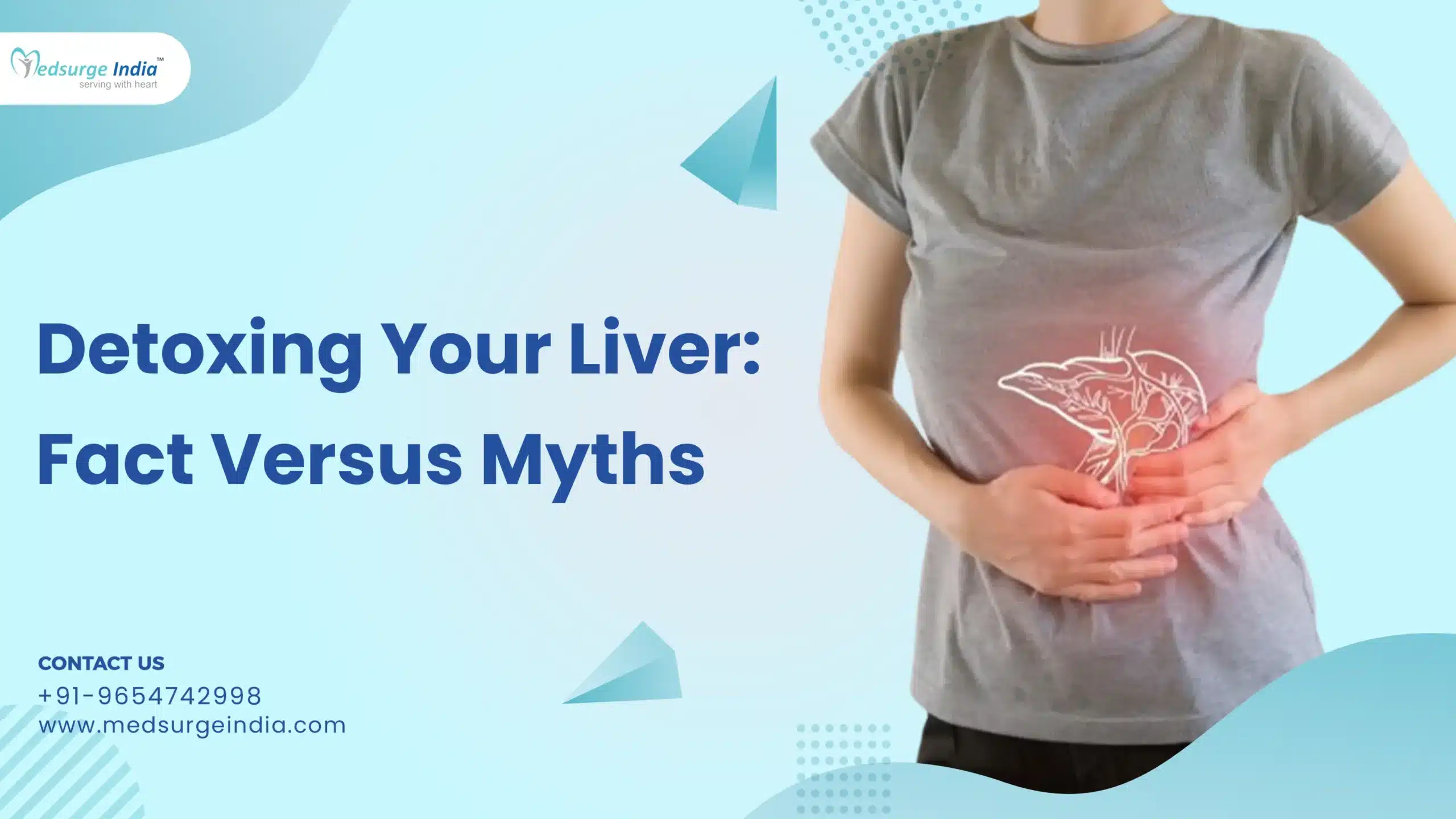
Liver detoxification has been the talk lately due to social media, wellness influencers, and supplement companies constantly talking about various “liver cleanses” which promise to remove toxins, enhance digestion, and increase energy levels.
But here is the question, does liver detoxing even need to be done or is it just another health trend? Many of these so-called “detox” products and methods are not scientifically proven, and some may do more damage than good.
Well, the reality is that the liver is a self-cleaning organ that filters and removes toxins on its own on a daily basis. Fad detox diets and expensive supplements are not the answer. The liver functions best when it is well taken care of. The best way to do so is through a balanced diet, drinking enough water, exercising, and restricting alcohol and processed foods.
Here in this blog, we are going to analyze the facts and myths regarding the liver detoxification process.
The liver serves as the primary detoxification organ in the body, executing more than 500 essential functions, which include:
Our liver is constantly working to neutralize and eliminate harmful substances in our body without the need for external detox programs. When toxins enter our body through food, alcohol, or environmental exposure, the liver breaks them down into water-soluble compounds that can be excreted through urine or bile. This natural process occurs daily and is efficient as long as the liver is functioning properly.
Numerous detox programs assert that consuming only juices or specific superfoods can eliminate toxins from the liver. However, there is no scientific support for the idea that extreme fasting, juice cleanses, or highly restrictive detox diets improve liver function. In fact, these diets can lead to nutrient deficiencies, resulting in fatigue, muscle deterioration, and metabolic disruptions.
Detox teas and herbal supplements frequently claim to promote liver health, yet most of these products lack credible scientific evidence. Some detox supplements may contain high concentrations of certain herbs, like milk thistle or dandelion root, which could support liver function, but they are not a panacea and should not substitute for a balanced lifestyle. Furthermore, some herbal supplements can pose risks, potentially leading to liver toxicity if consumed in excessive amounts or mixed with other medications.
Although lifestyle modifications can enhance liver health, serious conditions such as fatty liver disease, hepatitis, or cirrhosis necessitate medical treatment and cannot be reversed instantly with a detox beverage. If liver damage has occurred, it is crucial to implement long-term dietary and lifestyle changes such as achieving a healthy weight, limiting alcohol consumption, and incorporating liver-friendly foods to prevent additional harm.
Rather than falling for quick-fix detox scams, focus on sustainable habits that support liver function:
A balanced diet rich in whole, nutrient-dense foods can help keep the liver functioning optimally. Include:
Water is essential for flushing out toxins from the body. Aim for at least 8–10 glasses of water per day to keep the liver and kidneys functioning efficiently.
Consistent exercise plays a crucial role in minimizing fat accumulation in the liver, reducing inflammation, and enhancing overall liver health. Just 30 minutes of moderate activity, such as brisk walking or yoga, can yield substantial health benefits.
High alcohol consumption is a major contributor to liver diseases, including fatty liver and cirrhosis. By limiting alcohol intake and cutting back on processed foods that are high in refined sugars, trans fats, and preservatives, you can help alleviate stress on the liver and prevent long-term damage.
Being overweight and having metabolic issues heightens the risk of non-alcoholic fatty liver disease (NAFLD), which can lead to severe liver damage. Keeping a healthy weight through a nutritious diet and regular exercise is essential for preventing fatty liver disease.
Certain medications, such as over-the-counter pain relievers (like acetaminophen and NSAIDs), antibiotics, and some herbal supplements, can burden the liver if used excessively. It is important to adhere to recommended dosages and consult a healthcare professional before taking any supplements.
One should seek medical advice from a hepatologist or a gastroenterologist who has additional training in the liver while making lifestyle changes as they will provide you with the best advice when it comes to liver health. Furthermore one should consult a doctor when one experiences the following symptoms:
Note: Regular liver function tests (LFTs) can help assess liver health and detect any potential issues early.
Know More:- Best Hepatologists in India
The idea of liver detoxing through extreme diets, and supplements is more fiction than the facts. Our liver is naturally designed to detoxify itself, and one of the best ways to support it is through a healthy lifestyle, a balanced diet, and proper hydration.
One should be wise and instead of falling for detox trends, one should focus more on scientifically proven methods such as eating liver-friendly food, staying hydrated, exercising, and limiting alcohol. If you have concerns about your liver health, consult a medical professional for proper diagnosis and treatment. Remember, true liver health is built over time, not with a quick-fix detox!
Explore commonly performed treatment options and procedures for this speciality.
A pediatric liver transplant is a medical procedure of transferring the liver of another person to a child...
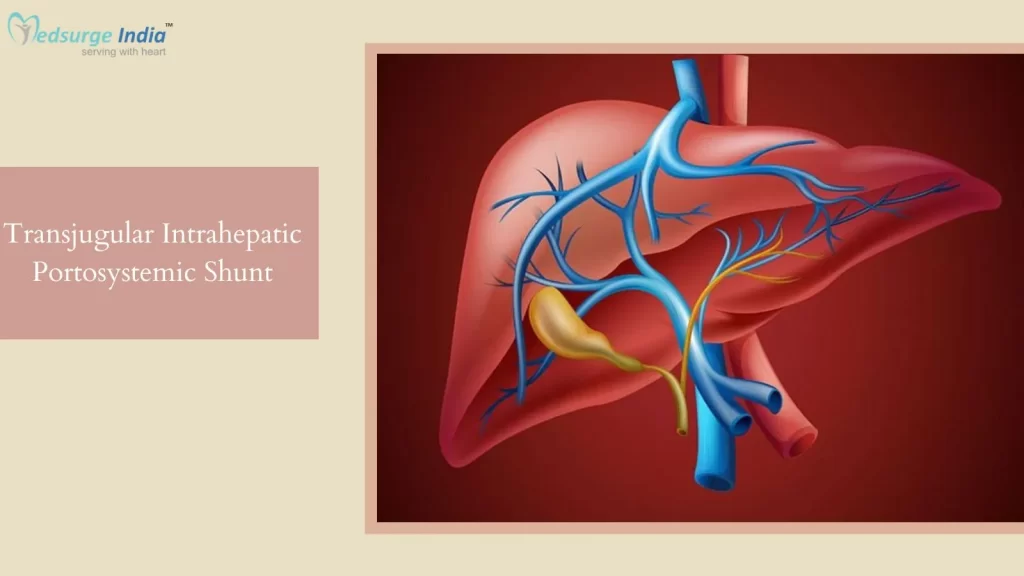
TIPS (Transjugular Intrahepatic Portosystemic Shunt) is a procedure that connects two blood veins in your liver. If you...
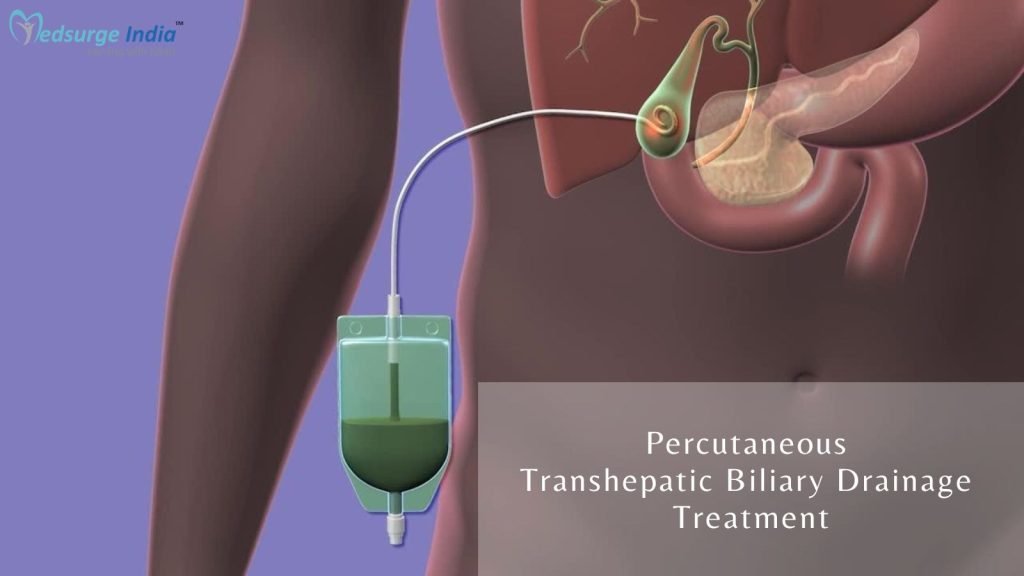
Percutaneous Transhepatic Biliary Drainage (PTBD) in India is a procedure that involves inserting a tiny catheter into the...