
Managing diabetes is a daily challenge for numerous individuals with diabetes. It necessitates continuous planning regarding meal timings...
Unlock Exclusive Discount : Your Gateway to Premium Healthcare with Medsurge India Health Value Card.

Tell us your medical concern — we'll match you with the best doctor for your case.
Response within 24 hours

B-cell lymphoma is a type of blood cancer that starts in B lymphocytes—a kind of white blood cell that helps fight infections. It is one of the most common forms of Non-Hodgkin Lymphoma (NHL), accounting for 85–90% of all NHL cases.
In this condition, the B-cells grow out of control and form lumps or tumors. Since the lymphatic system is spread throughout the body, the cancer can affect many areas, including lymph nodes, bone marrow, spleen, and sometimes organs such as the liver or brain.
Early diagnosis plays a crucial role in improving outcomes. When detected early, B-cell lymphoma is often more manageable, and patients have a better chance of long-term remission with timely treatment.
When discussing B-cell lymphoma with your doctor, they may describe it as either “aggressive” or “indolent.” These terms refer to how fast the cancer grows and spreads.
B-cell lymphoma is staged from 1 to 4, based on how far the cancer has spread in the body:
Symptoms vary based on the type of lymphoma; however, most of them have a common characteristic. It’s also possible that you may notice no symptoms at all. The common symptoms may include;
The following three systemic symptoms are important for diagnosis and staging:
Most symptoms overlap with other common conditions. Also, having more than one of these symptoms doesn’t mean that you have B-cell lymphoma. Thus, it’s always advised to consult with your doctor for further confirmation.
While the exact cause isn’t fully understood, several factors are known to increase the risk of developing this condition.
After an initial physical examination, doctors use a combination of advanced diagnostic tests to confirm the presence of B-cell lymphoma, determine its subtype, and assess its stages of progression.
Diagnosis tests of B-cell lymphoma include;
These tests together give a full picture of your condition so your doctor can recommend the most effective treatment plan.
Know More: Lymphoma Treatment Cost in India
The treatments are given based on the type, stage, and aggressiveness of the disease. The following are the main treatment options available:
Many patients with B-cell lymphoma respond well to treatment, especially when diagnosed early. Aggressive types, such as diffuse large B-cell lymphoma (DLBCL), are often curable with timely and appropriate care. However, recurrence can occur, particularly in some high-risk or advanced cases, making regular follow-up essential.
While indolent types may not be fully curable, they can usually be managed for many years with the right treatment plan. Long-term recovery is supported by ongoing medical monitoring, a healthy lifestyle, and strong emotional and social support.
There’s no sure way to prevent B-cell lymphoma, but you can lower your risk by:
Also Read:- Best Hematologists in India
B-cell lymphoma is a blood cancer that starts in B lymphocytes and can spread through the lymphatic system. Symptoms may include swollen lymph nodes, fatigue, fever, and weight loss, though some people may have no early signs.
Early diagnosis and treatments like chemotherapy, immunotherapy, or targeted therapy can lead to remission. However, it can recur; thus, regular follow-ups, a healthy lifestyle, and consulting your doctor are key to managing the condition effectively.
Explore commonly performed treatment options and procedures for this speciality.
Managing diabetes is a daily challenge for numerous individuals with diabetes. It necessitates continuous planning regarding meal timings...

Polycythemia Vera (PV) is a chronic illness and although it cannot be cured, it is frequently efficiently treated...
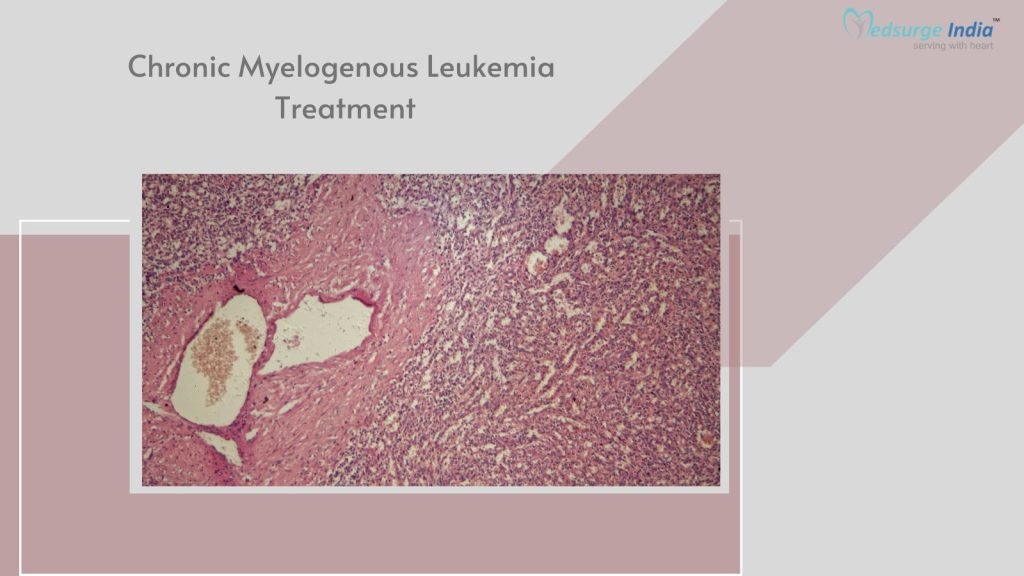
The malignancy of the bone marrow, the spongy tissue found inside bones where blood cells are formed, is...

