Atopic Dermatitis Treatment Cost in Turkey
Unlock Exclusive Discount : Your Gateway to Premium Healthcare with Medsurge India Health Value Card.

Unlock Exclusive Discount : Your Gateway to Premium Healthcare with Medsurge India Health Value Card.
Know Your Treatment Cost
Fast Response · No Hidden Charges
🔒 Response within 24hr
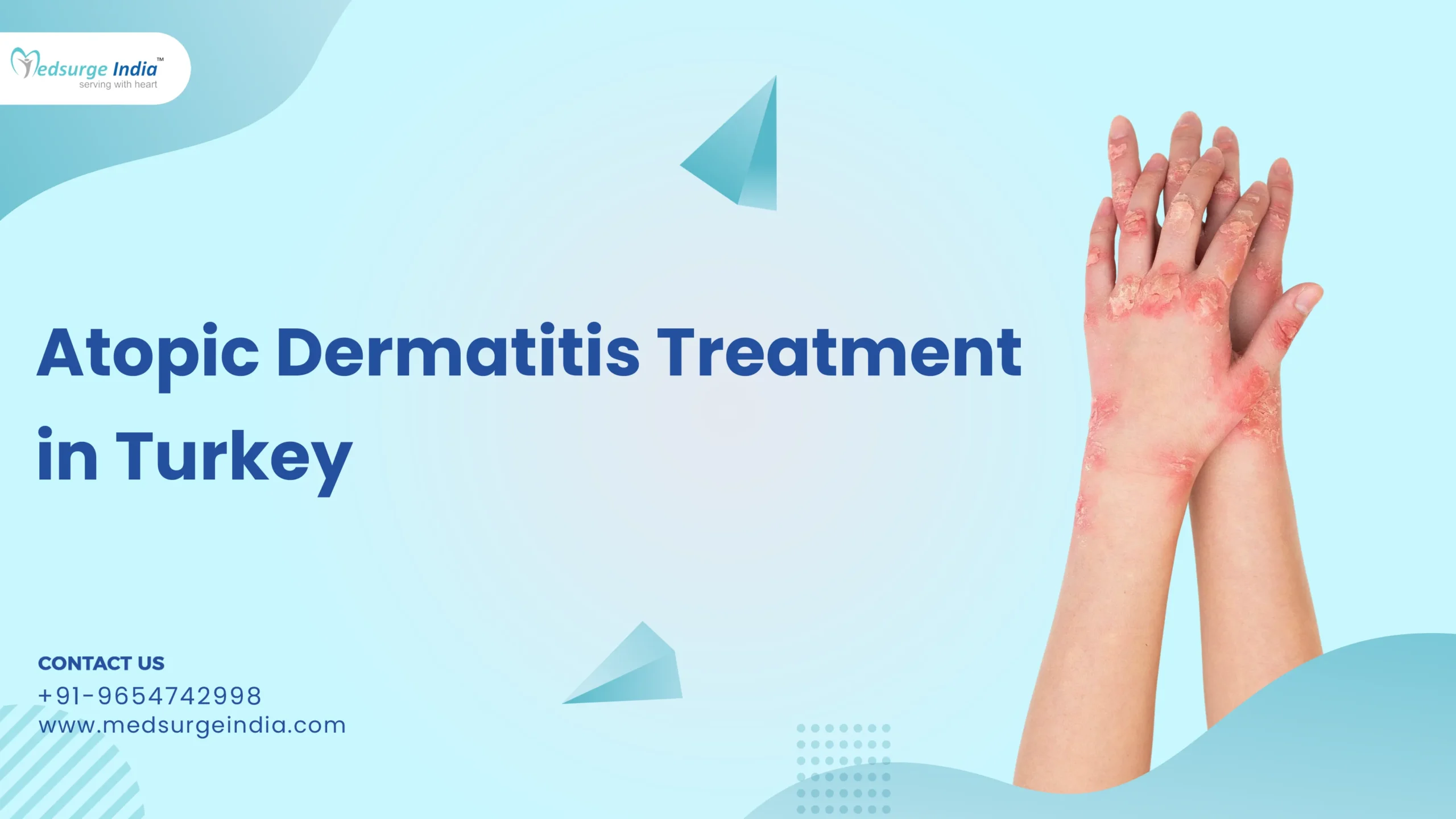
Atopic dermatitis treatment cost in Turkey starts from 200 USD to 1000 USD depending on the patient’s conditions. The are also some additional factors that can affect the cost of atopic dermatitis treatment in Turkey.
Several key factors affect the expenses related to Atopic Dermatitis treatment in Turkey:
Location of the hospital or clinic: Care provided in private facilities typically incurs higher costs compared to public hospitals can impact the cost of atopic dermatitis treatment in Turkey.
Medication expenses: The prices of specific medications can significantly impact the total cost of Atopic Dermatitis treatment in Turkey.
Patient’s health status: The complexity of a patient’s overall health can influence the length of treatment, thereby affecting cost of atopic dermatitis treatment in Turkey.
Treatment duration: Extended treatment periods that require multiple visits can result in increased overall expenses for atopic dermatitis treatment in Turkey.
Qualifications and experience of healthcare providers: Dermatologists with significant expertise and recognition tend to charge higher fees, which adds to the overall treatment costs.
Eczema refers to a range of conditions that cause skin inflammation, characterized by symptoms such as rashes, itching, and pronounced dryness. Among the various types of eczema, atopic dermatitis is the most common. Other recognized forms include contact dermatitis and stasis dermatitis.
In conversations about atopic dermatitis, people often interchangeably use the terms “eczema” or “atopic eczema.” In contrast, other eczema types are typically identified by their specific names. If you are uncertain about the term “eczema” in a medical setting, it is wise to ask for clarification on the specific type being discussed.
Atopic dermatitis is often referred to as the “itch that rashes,” a phrase that effectively captures the sudden onset of the condition, which is marked by severe itching of the skin. Scratching the affected areas can lead to the development of a rash, which may appear on one or several parts of the body.
When atopic dermatitis first appears, you might notice one or more of the following symptoms:
– Itchy skin
– Dry, scaly patches
– Scratch marks
– Raw skin due to scratching
– Fluid-leaking bumps or rashes
– Blisters that ooze and form crusts
– Red rashes (particularly noticeable on lighter skin)
– Small, rough bumps (more prevalent on darker skin)
– Dark brown, purple, or grayish patches (in darker skin tones)
– Warmth and possible swelling of the skin (indicating inflammation)
After the condition heals, the affected skin may appear lighter or darker than the surrounding areas. Flare-ups can occur intermittently over the years, with new outbreaks potentially appearing in different locations as one area heals. Additionally, flare-ups may recur in the same spot multiple times, often fluctuating in intensity before subsiding and then reappearing.
Intermittent flare-ups can continue for years, with new outbreaks potentially appearing in various areas as the skin heals in one spot. Furthermore, flare-ups can repeatedly occur in the same location. These episodes may vary in intensity, sometimes subsiding before returning.
As atopic dermatitis progresses, it can cause alterations in the skin, leading to:
– Thickening, scaling, and a rough, leathery feel
– Cracking.
This condition is not curable; however, it can be effectively managed with the right treatment. A strategy designed by a board-certified dermatologist can help in:
– Reducing flare-ups
– Easing symptoms such as itching and discomfort
– Preventing the advancement of atopic dermatitis
– Lowering the chances of developing thickened, persistently itchy skin
– Ensuring skin remains hydrated
– Minimizing the risk of infections
While dermatologists tailor each treatment plan to the individual needs of the patient, most plans generally include one or more of the following elements.
Skincare: An effective skincare routine for atopic dermatitis typically involves:
– Proper bathing techniques
– Use of moisturizers
– Gentle care of the skin
Your dermatologist will provide guidance on the best practices for bathing and moisturizing to facilitate skin recovery.
Trigger Management: Atopic dermatitis often leads to increased skin sensitivity and reactivity. Everyday substances that touch your skin can trigger flare-ups. Any factor that worsens atopic dermatitis is known as a trigger.
Triggers can differ widely from person to person. Recognizing and avoiding your specific triggers can help reduce flare-ups. It’s important to understand that some individuals may find it challenging to identify their particular triggers.
Common triggers include skincare products, environmental factors (both hot and cold), wool clothing, stress, fragrances in perfumes, and scented laundry detergents.
The management of atopic dermatitis involves a variety of medications and treatment strategies, which include:
– Antibiotics
– Topical corticosteroid creams and ointments
– Antiviral and antifungal medications
– Antihistamines
– Moisturizers aimed at repairing the skin barrier
– Phototherapy
Also Read:- Best Dermatologists in Istanbul
Trusted Care. Better Results. Get advanced Atopic Dermatitis Treatment in Turkey with expert dermatologists, personalized skin care plans, and complete international patient support for long-term relief.
Consult with Top Dermatology Specialist
 Trusted by
50,000+ Patients
Personalized
Treatment Plan
End-to-End
Support
Quick Response
Within 15 Mins
Trusted by
50,000+ Patients
Personalized
Treatment Plan
End-to-End
Support
Quick Response
Within 15 Mins
For some individuals, atopic dermatitis may improve over time, while for others, it can be a lifelong condition. Preventative strategies can be effective by avoiding known triggers. The condition can significantly affect a person’s quality of life, making it crucial to seek timely medical care for the itching and discomfort associated with eczema. It is recommended to consult a dermatologist as soon as possible.
A skin patch test may be conducted to determine the specific triggers of atopic dermatitis. Based on the patient’s medical history, symptoms, and identified triggers, a dermatologist will suggest suitable treatments, ointments, and medications.
The expense associated with treating atopic dermatitis in Turkey is comparatively low when stacked against many other nations, positioning it as a favored location for individuals in search of high-quality medical care. The country boasts a range of advanced treatment alternatives, such as medications, topical treatments, and specialized dermatological procedures, all administered by skilled dermatologists. The total cost can vary based on factors like the severity of the condition, the type of treatment chosen, and the selected healthcare facility. With its blend of affordable treatment options and high medical standards, Turkey offers significant value for patients looking for effective management of atopic dermatitis.
Also Read:- Atopic Dermatitis Treatment Cost in India
A: This condition can indeed worsen with age. Therefore, it is essential to seek appropriate medical care as soon as symptoms appear. A tailored treatment plan can help manage your atopic dermatitis and prevent it from deteriorating.
To fully benefit from this treatment plan, it is important to follow it closely. Use medications as prescribed, care for your skin as recommended, and identify your flare-up triggers to avoid them.
A: It can appear anywhere on the scalp or skin; however, there are certain areas where this condition is more likely to develop.
A: An over-the-counter ointment containing at least 1% hydrocortisone can provide temporary relief from itching. It should be applied to the affected area no more than twice daily before moisturizing. Once your condition improves, you may use the cream less frequently to prevent flare-ups. Additionally, consider using an over-the-counter allergy or anti-itch medication.
A: Corticosteroids are anti-inflammatory medications that effectively alleviate symptoms of dermatitis and eczema. They work by suppressing the activity of certain immune cells, thereby halting inflammation and preventing swelling, redness, and itching.


Dermatologist
Consultant
25+ Years
Medicana Bursa Hospital, Ankara
View Doctor
Dermatologist
Consultant
15+ Years
Medicana Bursa Hospital, Ankara
View Doctor
Dermatologist
Consultant
25+ Years
Medicana Bursa Hospital, Ankara
View Doctor
Dermatologist
Consultant
10+ Years
Medicana Bursa Hospital, Ankara
View Doctor
Dermatologist
Director
37 years of experience
American Hospital, Istanbul
View Doctor
Dermatologist
Consultant
20 years of experience
Medipol University Hospital, İstanbul
View Doctor
Dermatologist
Visiting Consultant
11 years of experience
American Hospital, Istanbul
View DoctorDermatologist
Associate Professor
12 years of experience
Okan University Hospital, Tuzla
View Doctor
Dermatologist
Consultant
23 years of experience
American Hospital, Istanbul
View Doctor