Peripheral Nerve Surgery Cost in India
Unlock Exclusive Discount : Your Gateway to Premium Healthcare with Medsurge India Health Value Card.

Unlock Exclusive Discount : Your Gateway to Premium Healthcare with Medsurge India Health Value Card.

The brain and spinal cord communicate messages to the rest of the body via peripheral nerves. They assist in tasks such as detecting cold feet and moving the body’s muscles in preparation for walking. Axons, the fibers that make up peripheral nerves, are insulated by surrounding tissues. Nerves in the periphery are delicate and quickly destroyed. The brain’s ability to interact with muscles and organs can be harmed by a nerve injury. Peripheral neuropathy is the result of damage to the peripheral nerves. It’s critical to get medical attention as soon as possible after suffering a peripheral nerve injury. Early detection and treatment may help to avoid complications and long-term damage. The CNS, or Central Nervous System, is the powerhouse of human anatomy. Peripheral Nerve Surgery in India is a technique that involves nerves outside of the central nervous system. Different cancers can develop in these nerves, although the majority are benign tumors like Neurofibromas.
Peripheral neuropathy is a peripheral nervous system disorder that affects the nerves that connect the central nervous system (CNS) to the arms, feet, mouth, legs, hands, face, and internal organs. These nerves are responsible for passing on information from these sections to the CNS. These nerves become destroyed as a result of a hereditary condition, an injury, a systemic disease, or even an infection, affecting their usual function.
People with peripheral nerve problems, such as acute nerve injuries, entrapment neuropathies, and nerve sheath tumors, undergo peripheral nerve surgery in India to restore function and reduce pain and impairment. It involves diverting healthy nerves to take over the function of nerves that have been injured, diseased, or otherwise compromised.
The brain and spinal cord are connected to the rest of the body by peripheral nerves. Peripheral nerve problems damage one or more nerves and can impair communication from the brain to the rest of the body.
A team of people may be involved in the surgical treatment and rehabilitation of peripheral nerve damage.
More than 100 different injuries, diseases, and disorders can be treated using peripheral nerve surgery in India. Some of these include:
The ideal patient for surgical therapy of peripheral nerve damage includes the following characteristics:
Pain that lasts longer than 3 months following:
Before surgery
Trauma
Others
Peripheral nerve damage can cause symptoms that range from minor to severe, restricting your normal activities. Your symptoms are frequently determined by which nerve fibers have been damaged:
Because many peripheral nerve injuries impact more than one type of nerve fiber, you may experience a variety of symptoms.
The average Peripheral Nerve Surgery Cost in India starts from USD 3000. The price of the treatment will depend on various factors such as the place and location you choose.
| Treatments | Starting Price |
| Nerve Decompression Surgery | USD 4200 |
| Nerve Transplant | USD 3600 |
| Nerve Grafting | USD 3800 |
| Nerve Repair | USD 3500 |
| Cities | Starting Price |
| Delhi | USD 3000 |
| Gurgaon | USD 3100 |
| Noida | USD 3000 |
| Mumbai | USD 3200 |
| Hyderabad | USD 3000 |
| Chennai | USD 3000 |
| Kolkata | USD 3000 |
| Bangalore | USD 3200 |
Note: Do remember that the pricing and the treatment for Peripheral Nerve Surgery cost in India will vary depending on the patient’s choice and other various factors.
The following here are some variables that can affect Peripheral Nerve Surgery Cost in India:
Furthermore, even the standard and grade of medical care and amenities are comparable to those of the most prestigious healthcare facilities in the world, even when the expense of lodging, meals, and transportation is taken out. Also, under the direction of the most skilled physicians, Medsurge India provides patients with the lowest Peripheral Nerve Surgery Cost in India.
Electrodiagnostic Studies – Electromyography (EMG) with nerve conduction investigations is the most significant diagnostic study in the evaluation of peripheral nerve disorders (NCS). This study gives precise, quantitative information on nerve and muscle function, allowing the examiner to more precisely locate the area of injury and discover more subtle indicators of injury and/or healing that would otherwise go unrecognized. It is sometimes the only means to accurately pinpoint a lesion, which is critical if surgery is being considered. Unfortunately, because this investigation involves inserting tiny needles into muscles, it may cause discomfort in some patients. Most patients, on the other hand, have no problems with the operation.
Imaging Studies – Patients with peripheral nerve disorders may benefit from imaging investigations. Patients with peripheral nerve tumors, for example, virtually always require an MRI. This study creates incredibly accurate photographs of the relevant anatomy, including the tumor, using harmless magnets (NOT ionizing radiation). The planning of surgery to treat peripheral nerve tumors is made easier with such comprehensive images.
Brachial plexus traumatic injuries are evaluated using CT myelography. The brachial plexus is a network of neural structures that connects the spinal cord’s nerve roots in the neck to specific nerves in the shoulder and arm. Patients with severe brachial plexus damage may experience one or more avulsion injuries, in which the nerve roots are torn away from the spinal cord in the neck. The only reliable way to document this type of injury is with a CT myelogram. Contrast dye is injected into the spinal canal to obtain a CT myelogram. Then X-rays and a CT scan of the spine are taken.
The procedure used to do peripheral nerve surgery is determined by the underlying medical issue. Various strategies and procedures are employed:
There are two main methods for doing decompression surgery. The first is open nerve release, in which the nerve tissue is decompressed through a skin incision. The second procedure involves passing a tube holding a camera through a small incision into the affected area and assessing the compression. The decompression operation is subsequently carried out. The latter procedure brings the advantages of speeding up healing and allowing the patient to return to work as soon as possible.
Surgery of Nerve Tumors: The oncologist removes the benign or malignant cells from nerve tumors during treatment. During the process, every precaution is taken to ensure that the nerve tissue and its activities are not harmed.
A: The nerves in the foot and leg are decompressed or released of surrounding pressure during peripheral neuropathy surgery, resulting in less discomfort and improved feeling. Nerve surgery on the foot is an outpatient treatment with a rapid recovery time.
A: Sometimes a portion of a nerve is entirely severed or irreversibly destroyed. Your surgeon can either repair the damaged stretch of the nerve by reconnecting healthy nerve ends or transplant a piece of nerve from another part of your body (nerve graft). These techniques can aid in the regeneration of your nerves.
A: If your nerve has been bruised or damaged but not cut, it will heal in 6 to 12 weeks. After a 4 week period of rest following your injury, a cut nerve will grow at a rate of 1mm each day. Some people perceive a steady improvement over time.
A: A neurological examination may usually detect nerve injury, which can then be confirmed by MRI scan results. A magnetic field and radio waves are used to create MRI scan images. There is no ionizing radiation used.
A: You may have sudden or gradual discomfort in your back that radiates down your arms or legs, as well as paralysis or numbness if you have a pinched nerve. Consult a primary care physician, neurologist, or neurosurgeon to establish whether you have a pinched nerve or anything else.

Neurologist
Consultant
14+ Years
Care Hospital, Banjara Hills, Hyderabad
View Doctor

Neurologist
Clinical Director & Senior Consultant
36+ Years
Care Hospital, Banjara Hills, Hyderabad
View Doctor
Neurologist
Consultant
11+ Years
Care Hospital, Banjara Hills, Hyderabad
View Doctor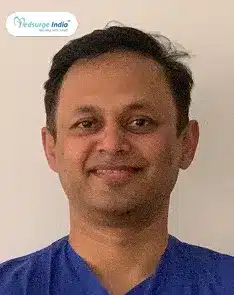
Neurosurgeon
Senior Consultant
9+ years
Meitra Hospital, Calicut, Kerala
View Doctor
Neurosurgeon
Senior Consultant
16+ years
Meitra Hospital, Calicut, Kerala
View Doctor
Neurosurgeon
HOD & Senior Consultant
25+ years
Meitra Hospital, Calicut, Kerala
View Doctor
Neurologist
Associate Consultant
12+ years
Meitra Hospital, Calicut, Kerala
View Doctor
Neurologist
Senior Consultant
12+ years
Meitra Hospital, Calicut, Kerala
View Doctor
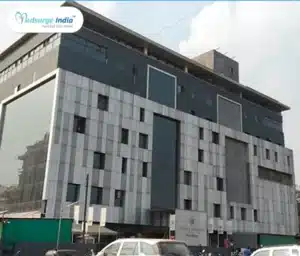
Neurosurgeon
Senior Consultant
10+ years
Care Hospitals HITEC City
View Doctor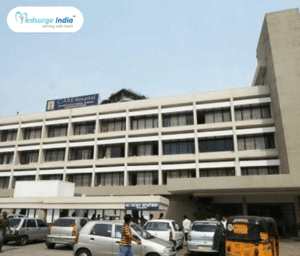



By using our site, you agree to our Terms and Conditions, Privacy Policy and Refund Policy. Medsurge India provides reliable healthcare information and treatment options to support informed decision-making. Our content is designed to support and complement the guidance of your treating doctor, helping you feel informed and confident throughout your healthcare journey. We also Accept International Payments.

Copyright © 2025 NSM ONLINE SOLUTIONS PRIVATE LIMITED. All rights reserved.

 (1).png)