Myelodysplastic Syndrome Treatment Cost In India
Unlock Exclusive Discount : Your Gateway to Premium Healthcare with Medsurge India Health Value Card.

Unlock Exclusive Discount : Your Gateway to Premium Healthcare with Medsurge India Health Value Card.

Myelodysplastic Syndrome is an uncommon disorder in which the creation of these blood cells from the bone marrow is disrupted resulting in more immature and faulty cells compared to older, wholesome ones. It’s thought to be a rare kind of cancer.
The proven cure for Myelodysplastic Syndrome is stem cell transplant. Also referred to as bone marrow transplant, doses of chemotherapy radiation or drugs are given to clean out the faulty cells and replace them with healthy, contributed (allogeneic) stem cells. Alternatives for treatment include blood transfusion and drug treatment.
Normally, individuals over 60 decades old get Myelodysplastic Syndrome. Even though it can happen to younger individuals too. It might vary from moderate to severe and is determined by person to person.
Symptoms aren’t found in the early phases and are sometimes discovered during a routine blood test. Symptoms include:
Helpful – Know All About Myelodysplastic Syndrome and Its Treatment in India
The kind of MDS is categorized depending on the number of blasts (immature cells) within the blood and bone marrow, and also just how regular they are.
Certain factors that could arise are:
Certain factors that affect the cost are:
A: Although treatments like Blood transfusion, Medication treatment can be found, Stem cell transplant is the most prosperous treatment up to now.
A: Although Stem cell transplant is the only effective remedy for some individuals, for many others it might not heal them whatsoever. Your possibility of treatment is greater if you’re young and also the MDS hasn’t changed to leukemia.
A: Your kind is dependent upon the number of blood cells affected, immature cells existing, and whether the hereditary material in the bone marrow is regular or not.
A: Stem cells are removed from fitting donor cells and implanted from the bone marrow or umbilical cable or blood following radiation or chemotherapy. It’s likewise referred to as Bone marrow transplant.
A: A fitting donor might become your sibling or anybody who suits with your stem cell in the donor lender.
A: Throughout the procedure, you’ll be given a catheter that is administered under general anesthesia, and so you will feel no pain. To prepare your system for a transplant, a conditioning program is going to be performed where you are going to get radiation or chemotherapy. In this procedure, you may suffer from side effects. Next, the transplant isn’t debilitating and administered while alerting.
A: During conditioning, radiation or chemotherapy is administered in order that all faulty blood cells may be killed in addition to the wholesome ones to make way for brand new cells that are mature.
A: This could take around a week or so.
A: Not everyone gets unwanted effects and the intensity of it changes from person to person. Symptoms such as nausea, vomiting, hair loss, mouth sores may be experienced through chemotherapy, however, these may be handled with medications and other therapies.
A: This is to allow the stem cells to produce inside the bone marrow or umbilical cord or bloodstream.
A: Chemotherapy or radiation may decrease your immune system, but you’ll be continuously monitored and supervised with drugs to prevent or cure illnesses.
A: It takes about an hour to five and is done while being awake.
A: Based on your general health, age, and other elements, you can stay for a month. It could also take longer based on if diseases are there or not.
A: Survival speed depends upon person to person and might rely on a lower count of immature cells. Treatment with hematopoietic stem transplantation with long term survival rates between 25 — 70%.
A: Patients with MDS may experience a recurrence following a period of remission. It typically recurs two years following the transplant. If it does, then the physician may suggest another transplant or alternative therapy.
A: Yes, If You’re from Japan, Cambodia, Finland, Indonesia, Philippines, Luxembourg, Myanmar, New Zealand, Singapore, South Korea as well as Vietnam. Travelers from Bhutan, Nepal, and Maldives can enter India without a visa i.e. around 90 days.
Also Read about - Medical Tourism in India is Getting Bigger and Better

Hematologist
Consultant
12+ Years
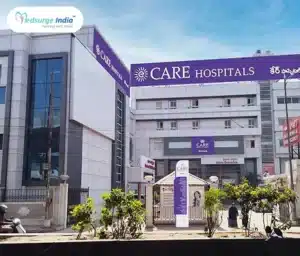
Care Hospital, Banjara Hills, Hyderabad
View Doctor
Hematologist
Associate Director
11+ Years of Experience
Max Super Speciality Hospital, Patparganj, New Delhi
View Doctor
Hematologist
Senior Consultant
15+ years of experience
Manipal Hospital, Panaji, North Goa
View Doctor
Hematologist
Senior Consultant
12+ years of experience
Manipal Hospital, Panaji, North Goa
View Doctor
Hematologist
Senior Consultant
20+ years of experience
KMC Hospital, Hampankatta, Mangaluru
View Doctor
Hematologist
Senior Consultant
42+ years of experience
NH Rabindranath Tagore International Institute of Cardiac Sciences, Kolkata
View Doctor
Hematologist
Senior Consultant
25+ years of experience
NH Rabindranath Tagore International Institute of Cardiac Sciences, Kolkata
View Doctor
Hematologist
Senior Consultant
14+ years of experience
NH Rabindranath Tagore International Institute of Cardiac Sciences, Kolkata
View Doctor
Hematologist
23+ years of experience
Narayana Superspeciality Hospital, Shibpur, Howrah
View Doctor
Hematologist
Senior Consultant
18+ years of experience
Narayana Multispeciality Hospital, Andul Road, Howrah
View Doctor


By using our site, you agree to our Terms and Conditions, Privacy Policy and Refund Policy. Medsurge India provides reliable healthcare information and treatment options to support informed decision-making. Our content is designed to support and complement the guidance of your treating doctor, helping you feel informed and confident throughout your healthcare journey. We also Accept International Payments.

Copyright © 2025 NSM ONLINE SOLUTIONS PRIVATE LIMITED. All rights reserved.

 (1).png)