Glioblastoma Treatment Cost in India
Unlock Exclusive Discount : Your Gateway to Premium Healthcare with Medsurge India Health Value Card.

Unlock Exclusive Discount : Your Gateway to Premium Healthcare with Medsurge India Health Value Card.

Glioblastoma is a tumor that can develop in the brain or spinal cord and is very aggressive. Glioblastoma arises from astrocytes, which are cells that support nerve cells. Glioblastoma can strike anyone at any age, but it strikes older people more frequently. It can make headaches, nausea, vomiting, and seizures worse. Glioblastoma, commonly known as glioblastoma multiforme, is cancer that is difficult to treat and seldom cures. Glioblastoma Treatment in India may help to decrease the growth of cancer and alleviate symptoms.
Glioblastomas (GBMs) make up over half of all adult malignant brain tumors. This type of brain cancer spreads quickly and has the potential to spread across the brain. New treatments, such as tumor treatment fields and tailored medicines, are helping to alleviate symptoms and halt the progression of cancer.
The most frequent type of malignant (cancerous) brain tumor in adults is glioblastoma multiforme (GBM). GBM tumors produce a lot of cancer cells that grow quickly. The malignancy has the potential to spread to other parts of the brain. Cancer can occasionally move outside of the brain to other parts of the body.
Glioblastoma cancers, such as GBM, begin in the glial cells. The function of nerve cells is dependent on glial cells. GBMs are formed in glial cells known as astrocytes. GBMs are the astrocytomas that grow the fastest (tumor that forms in astrocytes).
GBM most typically affects persons between the ages of 45 and 70. At the time of diagnosis, the average patient is 64 years old. Although men are at a slightly higher risk than women, the disease affects people of all ages and genders.
These factors may put individuals at a higher risk:
Your treatment and prognosis are influenced by the type of glioma you have. Surgery, radiation therapy, chemotherapy, targeted therapy, and experimental clinical trials are among the alternatives for glioma treatment.
Glioblastoma cancer comes in a variety of forms, including:
Astrocytomas: such as astrocytoma, anaplastic astrocytoma, and glioblastoma are all types of astrocytomas.
Ependymomas: Anaplastic ependymoma, myxopapillary ependymoma, and subependymoma.
Oligodendrogliomas: It includes oligodendroglioma, anaplastic oligodendroglioma, and anaplastic oligoastrocytoma.
On average Glioblastoma Treatment Cost in India starts from USD 5000. For Glioblastoma Treatment in India, the expenses are subject to variation based on the patient’s condition and the specific treatment approach chosen by the doctor following the results obtained.
| Cities | Starting Price |
| Delhi | USD 5000 |
| Gurgaon | USD 5000 |
| Noida | USD 5000 |
| Mumbai | USD 5200 |
| Hyderabad | USD 5000 |
| Chennai | USD 5000 |
| Kolkata | USD 5000 |
| Bangalore | USD 5300 |
Please note that the pricing and the treatment for Glioblastoma Treatment cost in India will vary depending on the patient’s choice and other various factors.
The following here are some variables that can affect Glioblastoma Treatment Cost in India:
Furthermore, the standard and caliber of medical services and amenities provided are comparable to esteemed healthcare establishments globally, despite taking into account expenses for lodging, food, and travel. Additionally, with the expertise of skilled physicians, Medsurge India guarantees that individuals are provided with the most cost-effective Glioblastoma Treatment cost in India.
Symptoms of Glioblastoma Multiforme usually appear suddenly. As the tumor grows, it exerts pressure on the brain, resulting in:
The specific causes of glioblastoma, like other primary brain tumors, is unknown. However, there are some variables that can raise your chances of developing a brain tumor. The following are some of the risk factors:
They can happen in persons with particular hereditary syndromes, such as neurofibromatosis type 1, Turcot syndrome, and Li Fraumeni syndrome, in rare situations. Affected persons frequently have other symptoms of the disorder as well, which are all caused by alterations (mutations) in a single gene.
If your primary care physician suspects you have a brain tumor, you may be sent to a neurologist who specializes in brain and nervous system issues (neurologist). These tests may be recommended if your doctor suspects you have a brain tumor:
To show the progression of a brain tumor, healthcare experts utilize a grading system ranging from 1 to 4. Grade 1 brain tumors are the least aggressive and grow slowly. Grade 4 tumors are more aggressive and develop quickly.
GBMs are classified as grade 4 per definition. GBM can be primary or secondary in nature. Glial cells are the source of primary GBM. Grade 1 glial tumors, on the other hand, can occasionally grow to become GBMs, a condition known as secondary GBM.
GBM does not have a cure, unfortunately. To alleviate symptoms, treatments focus on removing or reducing the tumor.
Glioblastoma multiforme treatment is determined by the kind, size, grade, and location of the tumor, as well as your age, general health, and personal preferences.
Treatment for glioblastoma in India may include utilizing medications to lessen the signs and symptoms of your tumor in addition to steps to eliminate the tumor itself.
Steroids may be prescribed by your doctor to lessen swelling and relieve pressure on the brain's damaged areas. Seizures can be controlled with anti-epileptic medicines.
The tumor is removed via surgery (craniotomy), which is followed by radiation and chemotherapy. Radiation and chemotherapy can control the tumor if surgery is not an option owing to your health or the tumor's location.
Glioblastoma Treatments in India includes:
Glioblastomas can be tiny and easy to segregate from healthy brain tissue in some circumstances, allowing for total surgical excision. In other circumstances, tumors are unable to be isolated from surrounding tissue, or they are positioned near sensitive parts of the brain, making surgery dangerous. Your doctor will remove as much of the tumor as is safe in these cases.
It can be tough to discover that you have GBM. The disease spreads swiftly, making therapy difficult. GBM researchers are still looking for novel ways to treat it. For the time being, treatments can help you manage your symptoms and enhance your quality of life. Consult your doctor about treatment options, which may include clinical trials.
A: Patients who receive optimal treatment, which includes surgical resection, radiation therapy, and chemotherapy, have a median survival of about 12 months, with less than 25% surviving up to two years and less than 10% surviving up to five years.
A: Glial cells, which are glue-like cells that surround neurons, are affected. Glioblastoma tumours are particularly difficult to cure since they do not form a definite mass with distinct borders. Instead, the tumur has thread-like tendrils that reach out into neighbouring brain locations.
A: Because of its rapid development rate, glioblastoma receives the highest grade in its family - grade IV. In a single day, these tumours can develop by 1.4 percent. Although the growth is tiny, a glioblastoma tumor can double in size in as little as seven weeks (median time).
A: Seizures occurred in nearly half of the patients nearing the end of life, and one-third of the patients in the week leading up to death. Progressive neurological deficits, incontinence, progressive cognitive deficits, and headache are also prevalent end-of-life symptoms.
A: Early detection is especially crucial in the case of glioblastoma since it allows tumours to be treated without surgery. Glioblastoma surgery has been shown to promote any cancer cells left behind to grow up to 75 percent quicker than they did before surgery, according to studies.

Medical Oncologist
Associate Consultant
10+ years
Meitra Hospital, Calicut, Kerala
View Doctor
Radiation Oncologist
Senior Consultant
10+ years
Apollo Proton Cancer Centre, Chennai
View Doctor
Surgical Oncologist
Senior Consultant
8+ years
Meitra Hospital, Calicut, Kerala
View Doctor

Medical Oncologist
Consultant
15+ years
Care Hospitals HITEC City
View Doctor
Surgical Oncologist
Sr. Consultant & Associate Clinical Director
20+ years
Care Hospitals HITEC City
View Doctor
Surgical Oncologist
Senior Consultant
13+ years
Care Hospitals HITEC City
View Doctor
Surgical Oncologist
Senior Consultant & Head of the Department
22+ years
Care Hospitals HITEC City
View Doctor
Surgical Oncologist
Senior Director
15+ years
Fortis Hospital, Vasant Kunj, Delhi
View Doctor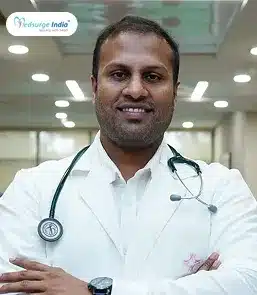
Medical Oncologist
Consultant
12+ years
Fortis Hospital, Vasant Kunj, Delhi
View Doctor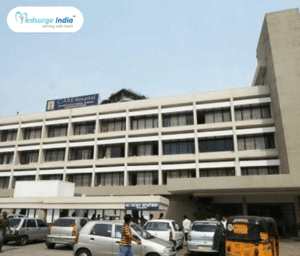



By using our site, you agree to our Terms and Conditions, Privacy Policy and Refund Policy. Medsurge India provides reliable healthcare information and treatment options to support informed decision-making. Our content is designed to support and complement the guidance of your treating doctor, helping you feel informed and confident throughout your healthcare journey. We also Accept International Payments.

Copyright © 2025 NSM ONLINE SOLUTIONS PRIVATE LIMITED. All rights reserved.

 (1).png)