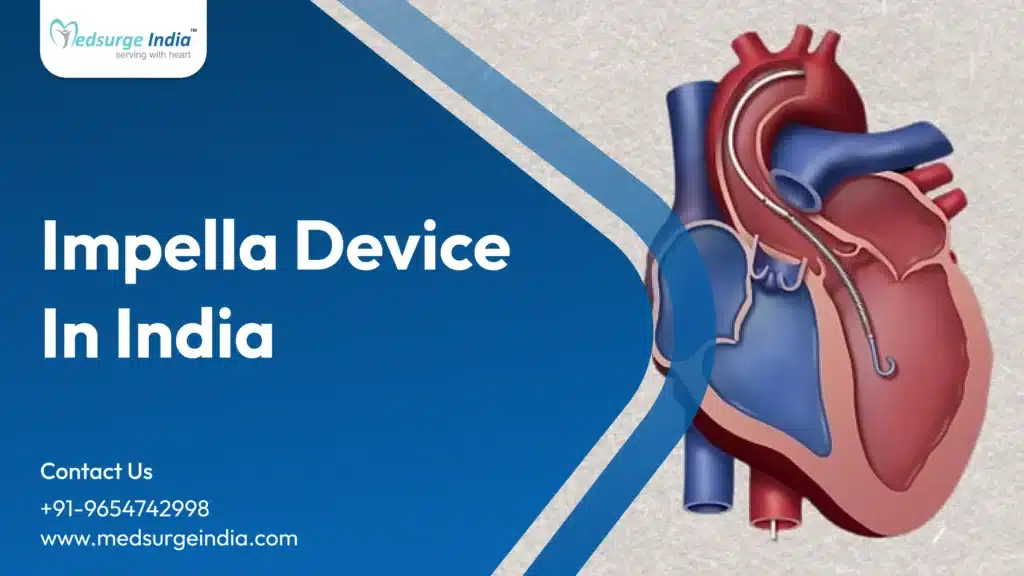
Looking for a pump that can maintain blood flow without surgery? The Impella device can help. It is...
Unlock Exclusive Discount : Your Gateway to Premium Healthcare with Medsurge India Health Value Card.


“The heart is the main organ of your cardiovascular system, which is a network of blood vessels that pumps blood throughout your body. In addition, it controls your heart rate and blood pressure, as well as other body systems. Family history, personal health history, and lifestyle all affect how well your heart works.”
In today’s world, heart disease is the leading cause of death. Heart disease can affect anyone, including youngsters. It impacts both men and women, and people of all racial and ethnic backgrounds are afflicted. Because heart disease affects such a huge proportion of the population, it’s essential that everyone understands the basics of the condition as well as the characteristics and symptoms to look for. Treatment of heart disease is largely determined by the type of heart disease and how far it has progressed.
There are many different types of heart disease, each with its own set of causes ranging from genetics to lifestyle decisions to health events that might affect the heart, such as damage from infection. Pre-existing medical disorders, such as high blood pressure, high cholesterol, and diabetes, might increase a person’s chance of getting heart disease. It’s a good idea to be familiar with the signs and symptoms of the many types of heart disease, regardless of the reason, so that any potential problems can be caught early and treated effectively.
Here are some of the most common types of heart diseases mentioned below:
As we all know coronary artery disease damages the heart’s blood vessels. The arteries around the heart, like the pipes in our homes, can build up plaque and constrict the path. This narrowing can lead to a full blockage, restricting blood flow to certain areas of the heart and perhaps causing a heart attack. While coronary artery disease is frequently identified after a heart attack, we should be aware of symptoms of heart disease that can aid in early detection, treatment, and prevention.
Signs and symptoms of coronary artery disease include:
As the name suggests, Arrhythmias are cardiac rhythm abnormalities. The heartbeat might be too slow, too rapid, or irregular due to arrhythmias. If the heart’s rhythm is “off,’” it may be unable to send blood to the rest of the body.
A few symptoms of Arrhythmias are given below:
The heart contains four valves that help in pumping blood smoothly; structural heart disease affects these valves or the heart tissue. Many structural heart diseases are congenital, meaning they present from birth. Some structural heart diseases can develop later in life. Blood cannot flow through the heart and out to the rest of the body when the valves or cardiac tissues are not really functioning properly. Blood, for example, can get stuck in the chambers of the heart and clot, which puts an individual at risk of a stroke.
If a person suffers from any below-mentioned symptoms of the heart valve and structural disease, must visit a doctor immediately:
Heart failure occurs when your heart is unable to pump enough blood to meet your body’s demands. This is usually due to your heart muscle’s inability to “squeeze” out enough blood with each beat. However, heart failure can occur when your heart becomes stiff and unable to fill up with blood efficiently between each beat.
Heart failure is most common in the elderly, although it can strike anyone at any age. It’s a dangerous condition that’s also very common. Many people with heart failure continue to have a full and active life for many years after their diagnosis.
In many cases of heart failure, initial damage weakens the heart muscle. To compensate, your heart beats faster and enlarges (stretches or thickens). Over time, the heart muscle begins to wear out.
Heart failure symptoms differ depending on the type of heart failure you have and a few of them include:
The basic cause of heart failure (damage and weakness of the heart muscle) cannot be healed, but the symptoms can be effectively managed. Treatment and self-care can help you avoid experiencing worse symptoms.
Heart-related issues that arise while a fetus is growing are known as congenital heart disorder. Some cardiac problems remain undetected for years. This type of cardiac disorder develops when a baby is still in the womb. Some cardiac defects are significant and should be discovered and treated as soon as possible. Some people may go years without being diagnosed.
The anatomy of your heart might also change as you get older. This can result in a cardiac defect, which can cause consequences and issues. Others may be investigated on the basis of symptoms, such as:
Note to keep in mind, If you feel you are having any of the above-mentioned symptoms, it’s a good idea to consult a medical professional as soon as possible for diagnosis and treatment.
Also Know: Congestive Heart Failure Treatment Cost in India
Treatment for heart disease varies depending on the type, but in general, lifestyle changes, drugs, and possibly a procedure or surgery are all options. Heart care experts work with patients to provide a detailed and tailored treatment regimen that may include:
Lifestyle Changes
Medications
In any type of heart disease, medication can be an incredibly beneficial and therapeutic resource. Prescription of medications may be given to:
Medical Procedure or Surgery
Heart surgery is particularly specific to the situation in the heart and maybe suggested to help enhance heart function or repair damage. They range in complexity from minimally invasive procedures performed in a heart catheterization lab to sophisticated Open-Heart Surgery and Heart Bypass Surgery.
If you have a family history of heart disease or having heart disease, never hesitate to ask your healthcare professional any questions or concerns you may have.
Regardless of your medical history, there are steps you can take right now to help avoid heart disease. Simple lifestyle adjustments are important, according to decades of scientific research. Some examples are:
Explore commonly performed treatment options and procedures for this speciality.
Looking for a pump that can maintain blood flow without surgery? The Impella device can help. It is...

What Is Cardiac Catheterization? Cardiac catheterization is a test used to treat certain heart and blood vessel conditions,...
An Overview Detail on Glenn Procedure Glenn’s procedure is open-heart surgery for babies who require this surgery when...