
Managing diabetes is a daily challenge for numerous individuals with diabetes. It necessitates continuous planning regarding meal timings...
Unlock Exclusive Discount : Your Gateway to Premium Healthcare with Medsurge India Health Value Card.

Tell us your medical concern — we'll match you with the best doctor for your case.
Response within 24 hours

When something in your blood prevents it from doing its job, you have blood cell disorders. While some blood cell disorders are caused by heredity, others might arise as a result of other diseases, drugs, or a vitamin deficiency in the diet.
There are several different types of blood cell disorders. Some go away completely with therapy, while others do not cause any symptoms and have no effect on general life expectancy (they are benign). Some are chronic and lifelong, but they have no impact on your life expectancy. Other blood cell disorders are potentially fatal, such as sickle cell anemia and blood cancers. The blood cell disorders include the following:
A blood cell disorder occurs when your red blood cells, white blood cells, or the smaller circulating cells known as platelets, which are essential for clot formation, are affected. The bone marrow, which is the soft substance inside your bones, produces all three cell types. Red blood cells carry oxygen to the organs and tissues of your body. White blood cells help in the fight against infection in your body. Platelets aid in the clotting of blood. Blood cell disorders impair the formation and function of one or more of these types of blood cells.
Bleeding (platelet) disorders, red blood cell disorders like anemia, and white blood cell disorders are all examples of benign blood disorders. Other blood disorders, such as sickle cell anemia, leukemia, and lymphoma, can cause chronic diseases or even death.
Depending on the type of blood cell disorder, the symptoms will vary. The following are some of the most common symptoms of red blood cell disorders:
The following are some of the most common symptoms of white blood cell disorders:
The following are some of the most common symptoms of platelet disorders:
There are a variety of blood cell disorders that can have a significant impact on your overall health.

Compare trusted hospitals, ratings, and specialized treatment expertise across the region.
Compare treatment costs across hospitals and understand your pricing options clearly.
Get quick help with hospitals, treatment costs, and next steps.
Red Blood Cell Disorders: The red blood cells in the body are affected by red blood cell disorders. These are blood cells that transport oxygen from your lungs to the rest of your body. These disorders can affect both children and adults and come in a number of forms.
White Blood Cell Disorders: Leukocytes (white blood cells) aid in the body’s defense against infection and foreign chemicals. White blood cell disorders can affect your immune system and your ability to fight infection. Both adults and children might be affected by these disorders.
The bone marrow is primarily responsible for the production of white blood cells. You create roughly 100 billion white blood cells every day unless you have an infection or a blood condition. Basophils, eosinophils, lymphocytes, monocytes, and neutrophils are the five types of white blood cells. Each type of white blood cell in your blood has a unique function.
Leukopenias are blood disorders characterized by abnormally low amounts of white blood cells. You are more susceptible to infections if you have leukopenia.
Leukocytosis is a blood condition characterized by excessively high amounts of white blood cells.
Platelet Disorders: When you experience a cut or other injury, blood platelets are the first to respond. They cluster at the wounded site, forming a temporary barrier to prevent blood loss. Your blood may show one of three abnormalities if you have a platelet disorder: Not enough platelets, too many platelets, or platelets that do not clot correctly.
Your hematologist evaluates blood cell disorders using your medical history, a physical examination, and laboratory testing. A complete blood count (CBC) is a blood test that determines how much hemoglobin is in your blood, the shape and size of red blood cells, and the number of different types of white blood cells and platelets in your blood.
Other, more specialized tests may be ordered to check for specific blood disorders such as von Willebrand disease and polycythemia vera. A bone marrow biopsy may be performed under rare circumstances.
It might be difficult to diagnose clotting issues at times. You may have bleeding symptoms, but no abnormalities can be found despite rigorous testing. This can be frustrating for both you and your doctor, especially when evaluating whether or not surgery is safe to do. Despite these challenges, coagulation medicine is a hotspot of study, with significant advancements made in just the previous decade.
The type of treatment you receive is determined by the source of your disease, your age, and your overall health. To help correct your blood cell disorder, your doctor may employ a combination of treatments.
In a platelet disease, pharmacological options include drugs like Nplate (romiplostim), which stimulate the bone marrow to create more platelets. Antibiotics can help fight infections in people with white blood cell disorders. Anemia caused by dietary deficiencies can be treated with dietary supplements such as iron and vitamin B-9 or B-12. Vitamins B-9 and B-12 are also known as folate and cobalamin, respectively.
Bone marrow transplants can help to repair or replace marrow that has been damaged. These procedures entail transplanting stem cells to your body, usually from a donor, in order to aid your bone marrow in producing normal blood cells. Another alternative for replacing lost or damaged blood cells is a blood transfusion. You receive an infusion of healthy blood from a donor during a blood transfusion.
Both techniques must meet specified criteria in order to be successful. Bone marrow donors must have a genetic profile that matches or is as similar to yours as possible. A compatible blood type is required for blood transfusions.
Although some blood disorders are unavoidable, there are things you may do to minimize your risk of complications. This is why early diagnosis and treatment are essential. Although blood disorders cannot be prevented, you can reduce your chance of complications by maintaining excellent health. This translates to:
Consume a vitamin- and mineral-rich diet that includes iron-rich foods such as eggs, turkey, lean beef, organ meats like kidney and liver, legumes like black beans, leafy green vegetables, and brown rice.
Know More: Blood Cancer Treatment Cost in India
The prognosis for patients with blood cell disorders varies depending on the type of blood disorder they have.
Some blood cell disorders improve entirely with treatment, while others do not cause symptoms and have little impact on overall life expectancy. Some are chronic and lifelong, yet they have no bearing on your life expectancy. Bleeding (platelet) diseases, red blood cell disorders such as anemia, and white blood cell disorders are among them. Other blood disorders, such as sickle cell anemia, leukemia, and lymphoma, can cause chronic illness or even death.
The good news is that early diagnosis and treatment can significantly improve your quality of life. To avoid issues, follow your healthcare provider’s recommendations for nutrition, exercise, sleep, and medications.
Explore commonly performed treatment options and procedures for this speciality.
Managing diabetes is a daily challenge for numerous individuals with diabetes. It necessitates continuous planning regarding meal timings...

Polycythemia Vera (PV) is a chronic illness and although it cannot be cured, it is frequently efficiently treated...
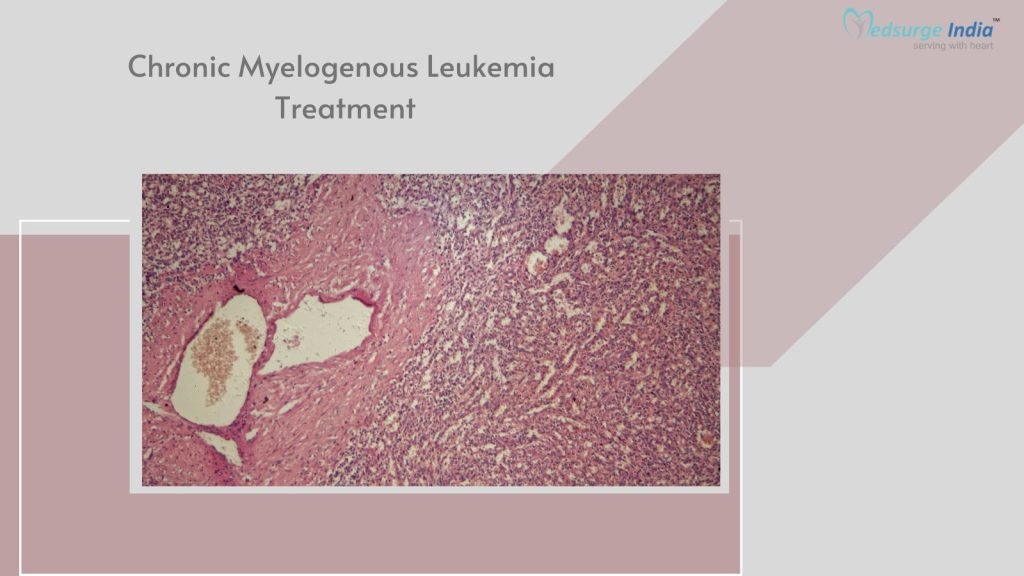
The malignancy of the bone marrow, the spongy tissue found inside bones where blood cells are formed, is...

