Cutaneous T-Cell Lymphoma Treatment Cost in India
Unlock Exclusive Discount : Your Gateway to Premium Healthcare with Medsurge India Health Value Card.

Unlock Exclusive Discount : Your Gateway to Premium Healthcare with Medsurge India Health Value Card.

Cutaneous infiltration of malignant monoclonal T cells is a characteristic of the diverse group of extranodal non-lymphomas Hodgkin’s known as cutaneous T cell lymphomas (CTCLs). The frequency is around 0.5 per 100,000 people per year, and they generally affect adults with a median age of 55 to 60 years. The three most significant subtypes of CTCL are primary cutaneous peripheral T cell lymphomas that are not otherwise defined, Sézary syndrome, and mycosis fungoides. The etiopathogenesis, diagnosis, treatment, and prognosis of CTCL are complex concepts. Medical professionals in India treat Cutaneous T-Cell Lymphoma in various ways. The major forms of treatment are drugs, radiation therapy, light therapy, etc.; if necessary, a patient may even have a stem cell transplant. Your doctor can suggest using natural therapies like using mild, unscented soap and keeping yourself hydrated.
In India, the cost of treating Cutaneous T-Cell Lymphoma is affordable when compared to that of other industrialized countries. The skill of hematologists/oncologists, and the state-of-the-art medical equipment used at the top Indian hospitals may be partially credited for the success. In addition to these advantages, India is well known for its low costs without lowering clinical standards.
Cutaneous T-cell lymphoma is a class of uncommon blood malignancies that affects the skin, which is the biggest organ in the body. These malignancies can present with signs that resemble common skin conditions, such as rash, very itchy skin (pruritus), or other skin problems. Although most cutaneous T-cell lymphomas are non-lethal and grow extremely slowly, certain individuals may have more severe manifestations of the disease. Medical professionals can treat symptoms, but they cannot treat lymphomas.
Cutaneous T-cell lymphoma often progresses slowly. It takes several years to develop. The Sezary syndrome and mycosis fungoides are the 2 most prevalent subtypes of this malignancy.
Depending on how far the malignancy has gone, cutaneous T-cell lymphoma symptoms vary. The signs may resemble those of other skin disorders. Do not hesitate to consult your doctor if you receive a diagnosis. The followings are the most typical mycosis fungoides and Sezary syndrome signs and symptoms:
It is unknown what specifically causes cutaneous T-cell lymphoma. Cancer often starts when cells’ DNA undergoes alterations (mutations). The DNA of a cell carries instructions that direct the cell’s actions. The DNA changes to instruct the cells to expand and divide quickly, producing a large number of aberrant cells.
The mutations in cutaneous T-cell lymphoma lead to an excess of aberrant T cells that assault the skin. Your immune system includes T cells, which typically assist your body in battling pathogens. The reason the cells assault the skin is unknown but doctors believe it may be due to two reasons which are as follows;
In order to identify cutaneous T-cell lymphoma, the following tests and techniques are used:
Skinny T-cell lymphoma patients have access to a wide range of therapies. The optimal course of therapy for you will depend on your unique circumstances, including the severity or stage of your lymphoma. For cutaneous T-cell lymphoma, the majority of patients get a combination of therapies.
Treatment choices might be:
Comparatively speaking to other nations, India has far cheaper healthcare prices. Additionally, the level of medical care and services offered there are on par with those at the greatest hospitals in the world. Even without factoring in the costs of travel, hotel, and food, the cost of Cutaneous T-Cell Lymphoma Treatment in India starts from USD 4500.
In India, the total cost of Cutaneous T-Cell Lymphoma Treatment might vary based on a variety of factors, including
Hospitals that treat Cutaneous T-Cell Lymphoma are widely renowned for their patient care and hospitality offerings. These facilities are home to some of India's top oncologists, dermatologists, and experts in their areas. It could be challenging for a foreign patient to select a reputed hospital for treatment. It is an important choice that needs to be made while keeping a number of things in mind, like:
Medsurge India is a prestigious support system for patients looking for doctors, hospitals, and specialized treatments. We'll find the most suitable medical options for you. Regarding your medical issues, our team will give you a list of certified, reputable, and trusted doctors and hospitals. Additionally, we offer a treatment strategy that fits your budget. Apart, we assist patients with obtaining travel authorizations, medical visas, and a multitude of other things.
Q1: Which therapy is most effective for T cell lymphoma?
A1: The most common kind of treatment is intense chemotherapy using numerous medications. The chemotherapy employed is frequently CHOP (cyclophosphamide, doxorubicin, vincristine, prednisone). Radiation treatment may also be utilised if the lymphoma is isolated to a single region.
Q2: Is it possible for cutaneous T-cell lymphoma to spread?
A2: In addition to the lymph nodes and other organs, this cancer can move from the skin to the blood. Chemotherapy, radiation, and photodynamic therapy are all possible forms of treatment.
Q3: What stage of T cell lymphoma is considered advanced?
A3: Stages IIB through IVB are regarded as severe stages of the illness, when the cancer has spread to other areas of the body or has left the skin to affect other organs or lymph nodes.
Q4: Which type of lymphoma is worse, B-cell or T-cell?
A4: Except for individuals with low-grade histology, the median survival duration for patients with Stage III and IV lymphomas was nine months for T-cell lymphomas and 17 months for B-cell lymphomas. It was discovered that T-cell lymphomas had a much worse prognosis than B-cell lymphomas.
Q5: Is it possible to misdiagnose T-cell lymphoma?
A5: Due to the nonspecific clinical and pathologic characteristics of angioimmunoblastic T-cell lymphoma (AITL), it is typical for it to be misdiagnosed as another kind of lymphoma. Dermatologists and dermatopathologists can be crucial in the identification of this challenging cancer.

Surgical Oncologist
Senior Consultant
12+ Years
BLK Max Super Speciality Hospital, New Delhi
View Doctor
Medical Oncologist
Associate Consultant
10+ years
Meitra Hospital, Calicut, Kerala
View Doctor
Radiation Oncologist
Senior Consultant
10+ years
Apollo Proton Cancer Centre, Chennai
View Doctor
Surgical Oncologist
Senior Consultant
8+ years
Meitra Hospital, Calicut, Kerala
View Doctor

Medical Oncologist
Consultant
15+ years
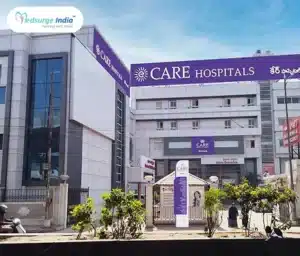
Care Hospitals HITEC City
View Doctor
Surgical Oncologist
Sr. Consultant & Associate Clinical Director
20+ years
Care Hospitals HITEC City
View Doctor
Surgical Oncologist
Senior Consultant
13+ years
Care Hospitals HITEC City
View Doctor
Surgical Oncologist
Senior Consultant & Head of the Department
22+ years
Care Hospitals HITEC City
View Doctor
Surgical Oncologist
Senior Director
15+ years
Fortis Hospital, Vasant Kunj, Delhi
View Doctor



By using our site, you agree to our Terms and Conditions, Privacy Policy and Refund Policy. Medsurge India provides reliable healthcare information and treatment options to support informed decision-making. Our content is designed to support and complement the guidance of your treating doctor, helping you feel informed and confident throughout your healthcare journey. We also Accept International Payments.

Copyright © 2025 NSM ONLINE SOLUTIONS PRIVATE LIMITED. All rights reserved.

 (1).png)