Spinal Stenosis Treatment Cost in India
Unlock Exclusive Discount : Your Gateway to Premium Healthcare with Medsurge India Health Value Card.

Unlock Exclusive Discount : Your Gateway to Premium Healthcare with Medsurge India Health Value Card.
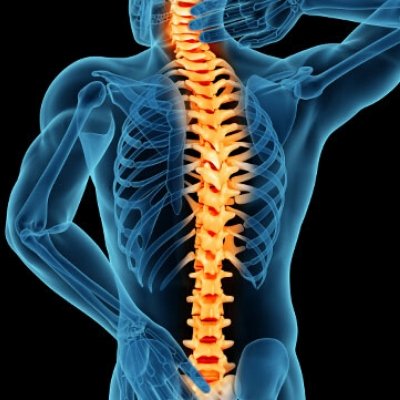
Spinal stenosis is the narrowing of the open spaces within the spine, this can put pressure on the spinal cord and the nerves that travel through the spine to the arms and legs. Usually, it occurs in the lower back and the neck. Changes in your spine as you get older are a common cause. Back and/or neck pain, as well as numbness, tingling, and weakness in the arms and legs, are all symptoms. Self-care treatments, physical therapy, medicines, injections, and surgery are all options for treatment.
The narrowing of one or more areas within your spine is known as spinal stenosis. The amount of space available for your spinal cord and nerves that branch off your spinal cord is reduced when your spine shrinks. The spinal cord or nerves might become inflamed, crushed, or pinched as a result of a narrowed space, resulting in back discomfort and sciatica.
Spinal stenosis normally takes a long time to develop. Osteoarthritis, or “wear-and-tear” changes in the spine that occur naturally as you age, is the most common cause. As a result, even if some alterations are seen on X-rays or other imaging tests conducted for another cause, you may not have any symptoms for a long period. You may experience discomfort, numbness, tingling, and/or weakness in your neck, back, arms, legs, hands, or feet, depending on where and how severe your spinal stenosis is.
Spinal stenosis mainly causes no symptoms or signs. However, some individuals can experience tingling, pain, numbness, muscular fatigue, and difficulties with normal bowel or bladder function. Symptoms can vary depending upon the location:
Your medical history will be reviewed, questions regarding your symptoms will be asked, and a physical exam will be performed. Your healthcare practitioner may feel your spine during your physical exam, pressing on different areas to discover whether this creates pain. Your doctor may probably ask you to bend in different directions to determine if different postures of your spine cause pain or other symptoms. Your provider will assess your balance, movement, and walking patterns, as well as your arm and leg strength.
Imaging tests will be performed on your spine to determine the precise location, nature, and extent of the disease. Imaging investigations may involve the following:
Surgery is considered when the traditional treatments have not helped or when the pfeel handicapped by their symptoms. The most important purpose of the operation is to relieve pressure in the spinal cord or nerve roots by producing more spaces inside the spinal tract. The various processes performed are as follows:
Following are the factors which will affect the treatment cost:
Reach out to our experts for the best and most affordable Spinal Stenosis Treatment cost in India.
Q: What is the cost for lumbar spinal stenosis treatment in India?
A: Price to get a spine tumor operation in India is roughly 5,200 USD. The price of lumbar spinal stenosis therapy in India may be determined by other variables also such as the state which you’re traveling from, the number of times you may spend in India, and how many individuals are accompanying the individual. Many patients elect for medical tourism packages for prostate cancer operation in India due to the affordable rates and lumbar spinal stenosis therapy in India being completed by specialists and pros.
Q: Where does spinal stenosis occur?
A. Spinal stenosis can occur in almost any area of the backbone, in the upper (cervical) into the middle (thoracic) or lower (lumbar). But, it is most frequently located in the lumbar spinal column.
Q: Will the age affect the surgery?
A: If the patient has obtained clearance from the doctor, then the Patient may proceed on with all the surgical operations.
Q: What are the risk involved after the surgery?
A: The possible complications involved after the procedure are as follows
Q: When can a patient get back to his day-to-day activity after the surgery?
A. A full recovery may take 3-5 months and the individual will probably be on painkillers for 2-3 weeks.
Q: What is the success rate of the surgical procedure?
A: After the surgical procedure, roughly 70% to 80% of those patients reveals substantial progress in their function (ability to do regular daily tasks) along with a markedly reduced amount of pain and distress related to spinal stenosis.


Spine Surgeon
Senior Consultant
10+ years
Meitra Hospital, Calicut, Kerala
View Doctor



Spine Surgeon
Consultant
10+ years
Apollo Hospitals, Greams Road, Chennai
View Doctor
Spine Surgeon
Consultant
22
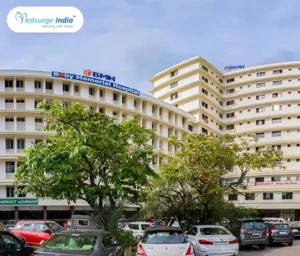
Bombay Hospital & Medical Research Center, Mumbai
View Doctor




By using our site, you agree to our Terms and Conditions, Privacy Policy and Refund Policy. Medsurge India provides reliable healthcare information and treatment options to support informed decision-making. Our content is designed to support and complement the guidance of your treating doctor, helping you feel informed and confident throughout your healthcare journey. We also Accept International Payments.

Copyright © 2025 NSM ONLINE SOLUTIONS PRIVATE LIMITED. All rights reserved.

 (1).png)